If you’re comparing PRP vs stem cell therapy, you’re likely seeking a regenerative option that promotes healing instead of masking symptoms. At Yonsei Clinic Seoul on Banpo-daero, Seocho-gu, Seoul, Republic of Korea, Dr. Jae-ho Shin provides evidence-informed guidance on both treatments so patients can choose the best path for their goals, lifestyle, and timeline. Below, we outline how each therapy works, where each excels, and what results you can expect.
Quick comparison
quick-comparisonFeature | PRP (Platelet-Rich Plasma) | Stem Cell Therapy |
|---|
What it is | Concentrated platelets from your own blood | Reparative cells (commonly mesenchymal) from your own tissue or carefully sourced allogeneic material per regulations |
Primary action | Growth-factor release that signals repair | Immunomodulation + trophic signaling that can influence tissue regeneration |
Best suited for | Mild–moderate injuries, early hair thinning, skin rejuvenation | Moderate–advanced degeneration, stubborn injuries, complex tissue damage |
Sessions | Often 3–4 sessions, spaced weeks apart | Often 1–2 procedures, sometimes with follow-up |
Onset of benefit | 2–6 weeks, continues over months | 4–12 weeks, may continue to improve beyond 6 months |
Downtime | Usually minimal | Usually minimal to moderate, depending on harvest method |
Safety profile | Autologous; low risk of reaction | Procedure-dependent; screening and protocols are key |
What is PRP?
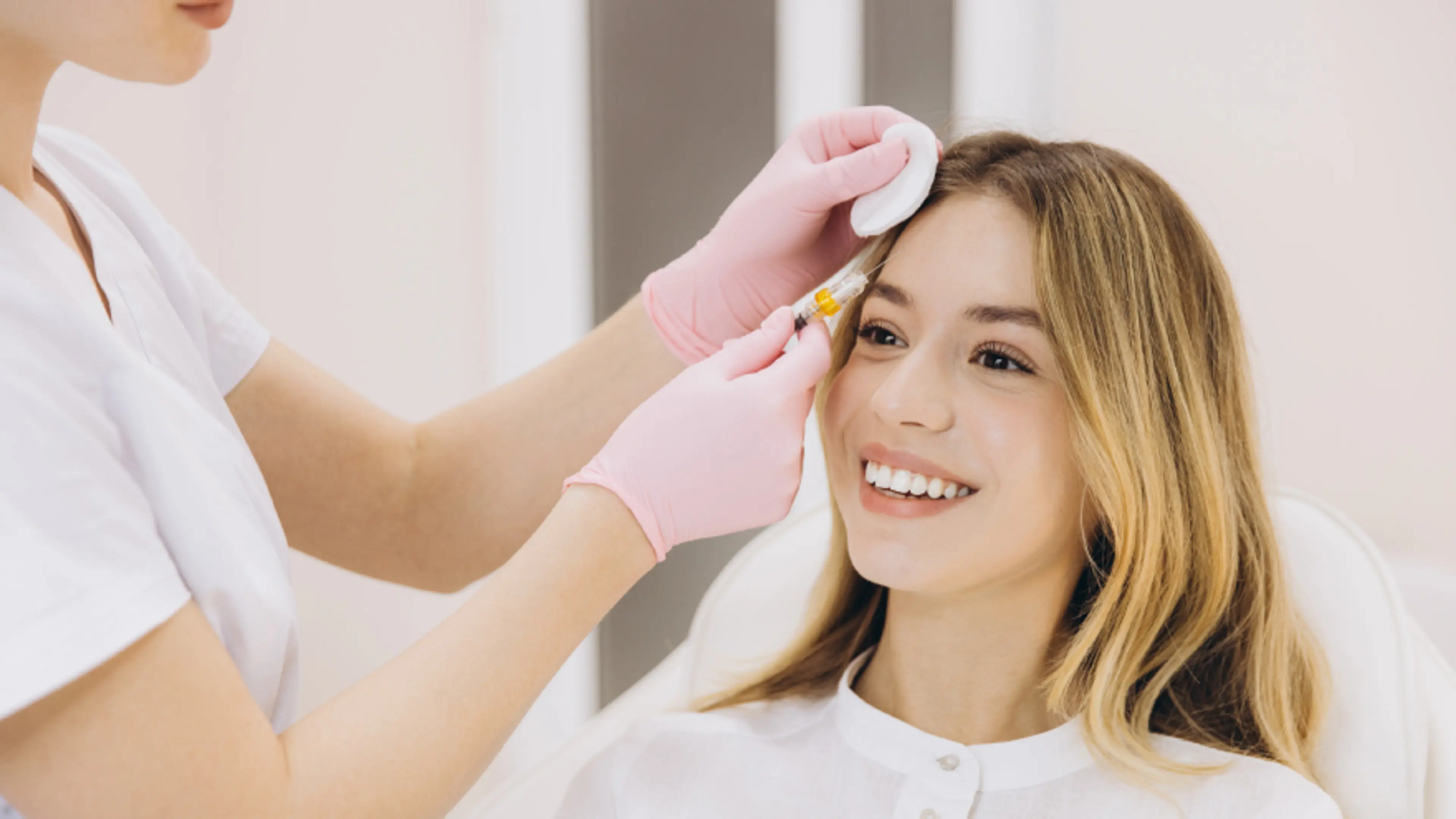
what-is-prpPlatelet-Rich Plasma (PRP) uses a small sample of your blood, processed in a centrifuge to concentrate platelets. Platelets carry
growth factors (like PDGF, TGF-β, VEGF) that act as “biological messengers,” coordinating local repair responses when injected into targeted tissues.
How PRP is used at Yonsei Clinic Seoul:
Musculoskeletal: Tendinopathies, mild osteoarthritis flares, overuse injuries.
Dermatology & aesthetics: Early hair thinning, skin texture and tone improvement, and post-procedure healing support.
Benefits: Minimally invasive, autologous (from you), and well-tolerated with little downtime.
Typical course & results: Many patients undergo 3–4 PRP sessions spaced 3–6 weeks apart. Improvements often begin within 2–6 weeks—for example, less joint discomfort or early signs of hair density changes—then accumulate over 3–6 months. Maintenance varies by condition and goals.
What is Stem Cell Therapy?
what-is-stem-cell-therapy“Stem cell therapy” in the clinical setting commonly refers to mesenchymal stem/stromal cell (MSC) approaches sourced from bone marrow or adipose (fat) tissue, or carefully screened allogeneic sources where appropriate and permitted. Rather than “becoming” new tissue wholesale, MSCs primarily help via paracrine signaling and immunomodulation, influencing local repair, reducing inflammation, and supporting the body’s regeneration processes.
Potential applications with Dr. Jae-ho Shin:
Orthopedics: Moderate–advanced joint degeneration, chronic tendon or ligament issues that didn’t respond to conservative care.
Skin & soft tissue: Difficult post-injury changes or scars where a stronger regenerative signal is desired.
Typical course & results: Many patients receive 1–2 procedures, sometimes paired with adjunctive therapies. Improvements often emerge over 1–3 months, with continued gains possible beyond 6 months as remodeling unfolds. Follow-up depends on individual progress and goals.
Note on ethics & regulation: At
Yonsei Clinic Seoul, all biologic procedures follow rigorous safety, sourcing, and quality standards in line with applicable regulations and best practices in the
Republic of Korea. Your candidacy is evaluated during a detailed medical consultation.
Key differences: PRP vs Stem Cell Therapy
key-differences:-prp-vs-stem-cell-therapy
Biologic potency & scope
PRP delivers a boost of growth factors that stimulate local repair—excellent for earlier-stage problems and maintenance.
Stem cells provide broader immunomodulatory and trophic effects that can address more complex or advanced tissue challenges.
Treatment intensity
PRP is typically a series of quick sessions.
Stem cell therapy tends to be fewer procedures but with deeper biologic impact, sometimes involving tissue harvest.
Onset and durability
PRP: noticeable changes in weeks, with incremental gains over months.
Stem cells: may take longer to reveal benefits but can yield more durable improvements for the right indications.
Downtime and logistics
PRP: minimal downtime; return to daily life quickly.
Stem cells: downtime varies with harvest (e.g., adipose vs no-harvest options). Still typically outpatient, with guided aftercare.
Cost considerations
PRP is generally more affordable, especially for maintenance or cosmetic goals.
Stem cell therapy involves higher up-front cost reflecting sourcing, processing, and clinical complexity.
Which is right for you?
which-is-right-for-youAt Yonsei Clinic Seoul (Banpo-daero, Seocho-gu, Seoul, Republic of Korea), Dr. Jae-ho Shin recommends based on condition severity, health status, timeline, and goals:
Choose PRP if you have:
Early hair thinning or desire skin rejuvenation with minimal downtime.
Mild–moderate tendon pain or joint irritation that still responds to activity modification.
A preference for a gentle, stepwise approach and budget-conscious care.
Consider stem cell therapy if you have:
Moderate–advanced degeneration or stubborn soft-tissue problems that failed rest, therapy, and PRP.
Goals that favor fewer procedures with a potentially stronger biologic push.
Readiness for a procedure that may include tissue harvest and structured follow-up.
Often, the best outcomes come from a personalized plan—for example, stem cell therapy for foundational repair followed by PRP as a biologic “booster” during rehab and remodeling. Your plan will include exercise guidance, nutrition, and activity progression to support long-term results.
Safety, recovery, and aftercare
safety-recovery-and-aftercareSafety: PRP uses your own blood and has a low risk of adverse reaction. Stem cell therapy requires careful screening, sterile technique, and post-procedure monitoring; at Yonsei Clinic Seoul we follow strict protocols for sourcing and handling.
Recovery: Most patients resume normal routines quickly; expect temporary soreness at injection or harvest sites.
Rehab: Movement matters. Dr. Shin typically pairs biologics with targeted rehabilitation to translate cellular signals into durable strength and function.
Follow-up: You’ll receive a clear follow-up schedule to track milestones and adjust care.
Expected results: realistic timelines
expected-results:-realistic-timelinesPRP
Weeks 2–6: Early symptom relief or quality changes (e.g., skin glow, reduced joint twinges).
Months 3–6: Cumulative gains; hair caliber and density trends become clearer; sport or activity tolerance improves.
Maintenance: As needed based on goals and response.
Stem Cell Therapy
Weeks 4–12: Progressive comfort and function changes, particularly in complex or chronic sites.
Months 3–9: Remodeling phase; durability becomes more apparent with proper loading and rehab.
Long-term: Some patients maintain benefits beyond a year; individualized reviews guide any future boosters.
Medical disclaimer: Results vary. Biologic therapies are not guaranteed cures. A thorough medical assessment ensures you receive the most appropriate, safe, and effective option.
Why Yonsei Clinic Seoul?
why-yonsei-clinic-seoul
Personalized protocols: Dr. Jae-ho Shin tailors PRP concentration, injection mapping, and stem cell strategies to your diagnosis and goals.
Evidence-informed care: We align techniques with current literature and best practices while tracking your outcomes.
Patient-centered experience: Clear expectations, transparent pricing, and step-by-step support—right here on Banpo-daero, Seocho-gu, Seoul.
FAQs
faqsIs PRP the same as stem cell therapy?
No. PRP delivers growth factors from your blood; stem cell therapy delivers reparative cells that modulate inflammation and support regeneration.
How many sessions will I need?
PRP commonly involves a series of 3–4 sessions. Stem cell therapy is often 1–2 procedures with follow-up tailored to progress.
Is there downtime?
PRP has minimal downtime. Stem cell therapy downtime depends on the harvest method but is usually outpatient with guided activity.
Are the results permanent?
Regenerative therapies support your body’s repair; results depend on condition severity, lifestyle, and rehab adherence. Maintenance or boosters may be recommended.