By Yonsei Clinic Seoul — Seocho-gu, Seoul | Internal Medicine & Regenerative Care
A quiet but vital system: your body’s circulation
a-quiet-but-vital-system:-your-body's-circulationMost of us rarely think about circulation until something goes wrong — cold hands that never quite warm up, swollen ankles after a long day, or that lingering fatigue that no amount of coffee seems to fix.
Behind all of this lies the silent network of blood vessels that delivers oxygen to every cell, removes waste, and keeps organs alive. When circulation falters, healing slows, energy drops, and chronic diseases can quietly progress.
At Yonsei Clinic Seoul, we often remind our patients: “Good circulation is not just about the heart — it’s about oxygen reaching where it’s needed most.” That belief lies at the heart of one of our most advanced regenerative treatments: Hyperbaric Oxygen Therapy (HBOT).
What is Hyperbaric Oxygen Therapy?
what-is-hyperbaric-oxygen-therapyHyperbaric Oxygen Therapy is a medical treatment in which a patient breathes 100% pure oxygen inside a pressurized chamber, typically 1.5 to 3 times the normal atmospheric pressure.
This increased pressure allows far more oxygen to dissolve into the bloodstream and surrounding tissues than would be possible under normal conditions.
In simpler terms, it’s like giving every cell in your body a deep breath of fresh air — not through the lungs alone, but directly through the blood plasma itself.
At Yonsei Clinic Seoul, we use medical-grade, Ministry of Health-certified chambers designed for both safety and comfort. Treatments are supervised by internal medicine specialists trained to tailor the protocol to each patient’s cardiovascular and metabolic profile.
Why circulation matters more than most people realize
why-circulation-matters-more-than-most-people-realize
If the body were a city, your blood vessels are the roads, and oxygen is the delivery truck carrying nutrients, hormones, and repair materials.
When traffic slows — due to chronic stress, aging, diabetes, or vascular disease — tissues become starved for oxygen. That oxygen shortage is what doctors call hypoxia, and it lies at the root of many chronic problems:
Poor wound healing (especially in diabetics)
Fatigue and brain fog from insufficient oxygen to the brain
Cold extremities from poor peripheral circulation
Slow tissue recovery after surgery or sports injuries
What many people don’t realize is that even when arteries are open, microcirculation (the smallest capillaries) can still become sluggish. This is where HBOT’s unique mechanism becomes truly powerful.
The science: how HBOT enhances circulation naturally
the-science:-how-hbot-enhances-circulation-naturallyHyperbaric oxygen therapy improves circulation in ways that medications or supplements simply cannot. The process unfolds in several overlapping stages:
1. Plasma oxygenation beyond normal limits
1.-plasma-oxygenation-beyond-normal-limitsUnder high pressure, oxygen dissolves directly into plasma — the liquid portion of blood — at levels up to 10–15 times higher than normal.
This means oxygen can reach tissues that red blood cells can’t easily access, such as areas with inflammation, edema, or microvascular blockage.
In clinical settings, we often see patients with chronic wounds or neuropathy show measurable increases in tissue oxygenation within the first few sessions.
2. Vasodilation and new capillary formation (angiogenesis)
2.-vasodilation-and-new-capillary-formation-(angiogenesis)Sustained exposure to high oxygen levels triggers the body’s angiogenic response — the natural process of forming new blood vessels.
Over a course of HBOT sessions, endothelial cells (the inner lining of vessels) become more active, releasing growth factors like VEGF (Vascular Endothelial Growth Factor) that promote microcirculatory repair and remodeling.
For patients recovering from vascular injury, surgery, or diabetic complications, this improved capillary network can mean faster healing and less long-term tissue damage.
3. Reduction of inflammation and oxidative stress
3.-reduction-of-inflammation-and-oxidative-stressIronically, while oxygen can sometimes contribute to oxidative stress, HBOT — when administered properly — actually reduces systemic inflammation.
By enhancing antioxidant enzyme activity (such as superoxide dismutase and catalase) and stabilizing mitochondrial function, it helps the body manage free radicals more effectively.
At Yonsei Clinic Seoul, we often combine HBOT with NAD+ or regenerative IV therapies to optimize cellular repair and mitochondrial recovery — a synergy that magnifies both oxygen and nutrient utilization.
4. Enhanced stem cell activity and repair signals
4.-enhanced-stem-cell-activity-and-repair-signalsRecent studies, including those from the American Journal of Physiology and Neurobiology of Aging, show that HBOT can mobilize endogenous stem cells from the bone marrow.
These circulating stem cells migrate to damaged tissues, supporting natural regeneration and improving vascular elasticity.
Patients often describe a general sense of vitality after a few sessions — not just because oxygen levels rise, but because the body’s own repair mechanisms become reawakened.
The Korean perspective: a culture of prevention and renewal
the-korean-perspective:-a-culture-of-prevention-and-renewal
In Korea, preventive care is deeply valued. Many of our patients at Yonsei Clinic Seoul come not only when they are ill, but when they want to stay healthy longer — to preserve stamina, skin vitality, or cognitive clarity as they age.
HBOT aligns beautifully with this philosophy. It’s a non-invasive, drug-free way to rejuvenate circulation, making it popular among professionals under chronic stress, athletes, and older adults managing lifestyle diseases such as diabetes, hypertension, or early kidney impairment.
To be honest, one of the most rewarding moments in our clinic is when a patient says, “My hands and feet feel warm again.”
That small change often signals that deeper healing has begun — microcirculation restored, tissues breathing again.
What to expect during a session
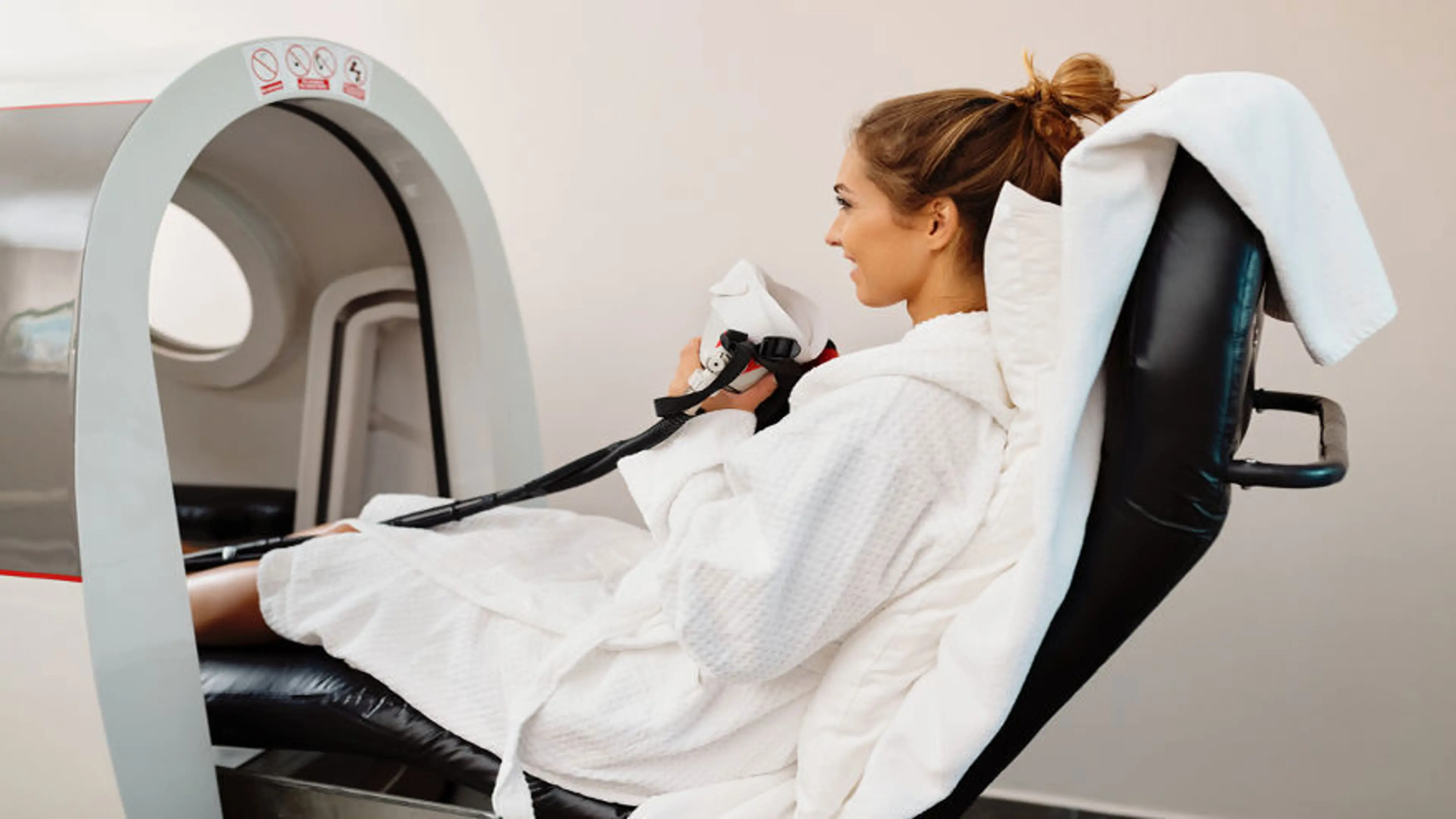
what-to-expect-during-a-sessionA typical HBOT session at Yonsei Clinic Seoul lasts 60–90 minutes. You’ll sit or recline comfortably inside a transparent, pressurized chamber. As pressure increases, you may feel mild ear fullness (similar to a gentle airplane descent), which subsides quickly.
During the session, many patients read, meditate, or simply rest while breathing pure oxygen. Afterward, they often report feeling refreshed — occasionally even light-headed from the oxygen boost, which fades within minutes.
Depending on your condition, a course of 10–20 sessions may be recommended for optimal circulatory benefits.
Each plan is individualized — whether for chronic fatigue, diabetic circulation issues, post-surgery recovery, or anti-aging goals.
Safety and clinical supervision
safety-and-clinical-supervisionHBOT is medically safe when administered by trained professionals. At Yonsei Clinic Seoul, all treatments are overseen by Dr. Jae-ho Shin, a board-certified internal medicine and nephrology specialist with decades of experience in vascular and regenerative medicine.
We perform pre-screening evaluations, including blood pressure, kidney function, and oxygen saturation tests, to ensure each patient’s safety and readiness.
For patients with certain conditions — such as untreated pneumothorax, severe COPD, or uncontrolled seizures — HBOT may not be suitable. That’s why a medical consultation is essential before starting any oxygen-based therapy.
Natural circulation improvement beyond the chamber
natural-circulation-improvement-beyond-the-chamberHyperbaric oxygen therapy works best when combined with healthy daily practices that support circulation:
Staying hydrated and limiting high-sodium foods
Engaging in light aerobic activity, such as brisk walking or cycling
Maintaining good blood sugar control
Managing stress and ensuring restorative sleep
At Yonsei Clinic Seoul, we integrate these principles into each patient’s plan — combining internal medicine precision with regenerative innovation for long-term vitality.
Why Yonsei Clinic Seoul for Hyperbaric Oxygen Therapy
why-yonsei-clinic-seoul-for-hyperbaric-oxygen-therapyOur clinic is one of the few in Seoul offering comprehensive regenerative programs that integrate HBOT with IV nutrient therapy, NAD+ restoration, and precision diagnostics.
Located in Seocho-gu, we provide a serene environment designed for both Korean and international patients seeking healing that is both scientific and deeply personal.
What sets us apart is our continuity of care — HBOT isn’t treated as an isolated procedure, but as part of a broader journey toward vascular health, organ balance, and cellular regeneration.
A gentle invitation
a-gentle-invitationIf you’ve noticed signs of sluggish circulation — fatigue, cold extremities, slow wound healing, or swelling — your body may be asking for deeper oxygenation.
Hyperbaric Oxygen Therapy offers a natural, evidence-based way to restore that balance without medication or invasive procedures.
We invite you to schedule a consultation at Yonsei Clinic Seoul, where every treatment is guided by science, compassion, and decades of internal medicine expertise.
Sometimes, the path to renewal begins with something as simple — and as vital — as breathing better.